```html Best Time to Visit Ha Giang 2026 – Month-by-Month Expert Guide
Ha Giang limestone karst landscape at golden hour
★★★★★
Rated #1 in North Vietnam Over 2,800 traveller reviews
Mar–Apr
Peak Season
May–Aug
Green & Lush
Sep–Nov
Best Overall
Dec–Feb
Buckwheat Bloom

Ha Giang Expert Guide · Updated April 2026

Best Time to Visit
Ha Giang

Ha Giang rewards every season — but your window changes everything. This month-by-month breakdown by our local team tells you exactly when the landscapes, roads, and festivals align in your favour.
Read time 12 minutes
Best Month October
Peak Months Mar–Apr, Oct–Nov
Budget Season June–July
🌸
Flower Season
Mar–Apr & Oct–Nov
Rapeseed & buckwheat bloom
🌧️
Rainy Season
May – September
Landslide risk on mountain roads
🌡️
Temperature Range
5 °C – 28 °C
Coldest in Jan, warmest in Jul
🏍️
Road Conditions
Best Oct – Apr
Dry roads, clear hairpins
🎪
Key Festivals
Khau Vai, Gau Tao
March–April market festivals

Local Expert · Ha Giang Native

A word from Minh — your Ha Giang guide

I have led treks and Ha Giang Loop trips for over eleven years. Every single month. My honest answer? There is no "bad" time here — only different kinds of breathtaking. March gives you rapeseed fields so yellow they look painted. October turns every terrace gold at harvest. Even June surprises you: the roads to Dong Van are quiet, the jungle is electric green, and the waterfalls roar louder than any other time of year.

What I do tell every traveller: plan around what you want to feel. Chase iconic flower photos? Come in autumn or spring. Want solitude and cool mist on the summit at Lung Cu Flag Tower? January is extraordinary. Need the lowest prices on the market? June through August. This guide covers all of it — no fluff, no vague advice. And if you want a direct answer for your exact dates, message us on WhatsApp — we reply within 30 minutes.

11+
Years guiding in Ha Giang
2,400+
Travellers hosted
All 12
Months personally explored

Every month, honestly rated

We score each month on weather, crowds, road conditions, and photography opportunity. No filler — just the facts we give our own guests before they book.

January Good

Cold, clear, and quietly stunning. Buckwheat blooms fade but the mountain air is crisp and the roads on the loop are genuinely yours — no convoys, no crowds.

Buckwheat still lingering at higher elevations near Dong Van
Very few tourists — genuine solitude on Ma Pi Leng
Pack a fleece: nights drop to 5–8 °C at elevation
February Good

Lunar New Year energy fills the minority villages. Peach blossoms and plum trees bloom spectacularly across the valleys — good time to combine the Ha Giang Loop with Tết celebrations.

Tết celebrations in Hmong and Tay villages
Plum and peach blossoms in full colour
Book hotels early — Tết weekend fills fast
March ⭐ Peak

Rapeseed fields carpet the valley floors between Dong Van and Meo Vac in brilliant yellow — the most photogenic month in Ha Giang. Crowds are real but completely worth it if you plan correctly.

Rapeseed flower peak across the Dong Van Karst Plateau
Khau Vai Love Market festival — a once-a-year experience
Book accommodation 3–4 weeks ahead — non-negotiable
April ⭐ Peak

Flowers fade but warm, clear weather makes April ideal for guided motorbike tours and the full loop. Noticeably fewer tourists than March — this is my personal favourite month to take groups.

Warm days — 22–26 °C on the passes
Gau Tao Spring festival in the villages
Best month for a comfortable 4-day loop trip
May Shoulder

First rains arrive. Rice terraces at Hoang Su Phi are being planted — a brilliant, almost neon green. Waterfalls are reborn. Roads are still mostly passable but check conditions daily.

Vivid green terraces at planting season — great photography
Lower prices and far fewer crowds on the loop
Check road conditions before riding each morning
June – August Rainy

Full monsoon. Heavy rain, landslide risk, and mist that can wipe out the views on Ma Pi Leng Pass entirely. Not recommended for first-time solo riders — but doable with the right guidance.

Lush jungle and dramatic, roaring waterfalls
Lowest prices of the year — great for tight budgets
Guided jeep tours are safer than riding solo in these months
September Good

Rains taper off. Rice is ripening — terraces shimmer between green and gold. Fewer visitors than October but almost identical beauty. An underrated month that our repeat guests keep coming back for.

Early harvest terraces starting at Hoang Su Phi
Roads improving — manageable for confident riders
Misty mornings on Ma Pi Leng — absolutely cinematic
October ⭐ Best Month

Peak harvest season at Hoang Su Phi: golden terraces, blue skies, perfect riding temperatures. If you can only come once, come now. Book your tour early — October fills up weeks in advance.

Golden rice terraces — peak harvest colour
Clear skies — panoramic views from every pass
Book accommodation and tours 4–6 weeks ahead
November ⭐ Peak

Buckwheat flowers bloom purple-pink across the Dong Van Plateau — one of the most unique floral spectacles in Southeast Asia. The light in late November is extraordinary for photography.

Buckwheat flower peak around Dong Van & Meo Vac
Cool, dry weather — ideal for trekking packages
Sunrise at Lung Cu Flag Tower is unmissable
December Good

Cold, quiet, and atmospheric. Occasional frost at the highest passes near Dong Van. Excellent for travellers who want Ha Giang largely to themselves — with deep local interaction that busier months simply don't offer.

Frost on the limestone peaks — stunning low-season imagery
Village fires and genuine local hospitality
Layer up — temperatures 8–14 °C by day
🚌 Premium Transfer

Hanoi to Ha Giang
Limousine Bus

Skip the sleeper bus gamble. Our private limousine service collects you from your Hanoi hotel and gets you to Ha Giang city in comfort. Reclining VIP seats, reliable air-con, professional drivers — and you arrive rested and ready to start the loop the same day.

8–9 hours direct
🛋️ Reclining VIP seats
📍 Hanoi hotel pickup
🌙 Night departures available
From only
$18
per person one-way
Book Now →
Hanoi Old Quarter → Ha Giang City

What each season actually feels like on the ground

Ratings are useful. But here's what I actually tell guests the night before they ride out — based on eleven years on these roads.

Rapeseed fields in bloom, Ha Giang spring
February March April

Flowers, festivals, and warm air

Spring is when Ha Giang performs for the camera. Rapeseed flowers blanket the valley floors between Dong Van and Meo Vac in waves of yellow. The Khau Vai Love Market fills with colour and song — a minority festival you genuinely cannot replicate anywhere else in Vietnam. Temperatures sit at 18–24 °C by day, making it the most comfortable time to ride the Ha Giang Loop.

The honest trade-off: March is the busiest month of the year. Weekend motorbike convoys can feel overwhelming on the hairpins above Ma Pi Leng Pass. My advice — travel mid-week in early March or shift to April when the yellow has faded to green but the roads are quieter and the weather is actually warmer. Our April loop tours consistently get our highest reviews.

Pros

  • Rapeseed & plum blossoms
  • Ideal riding temperatures
  • Khau Vai festival (March)
  • Longest daylight hours

Watch out

  • Most crowded season of the year
  • Higher accommodation prices
  • Book 3–4 weeks ahead minimum
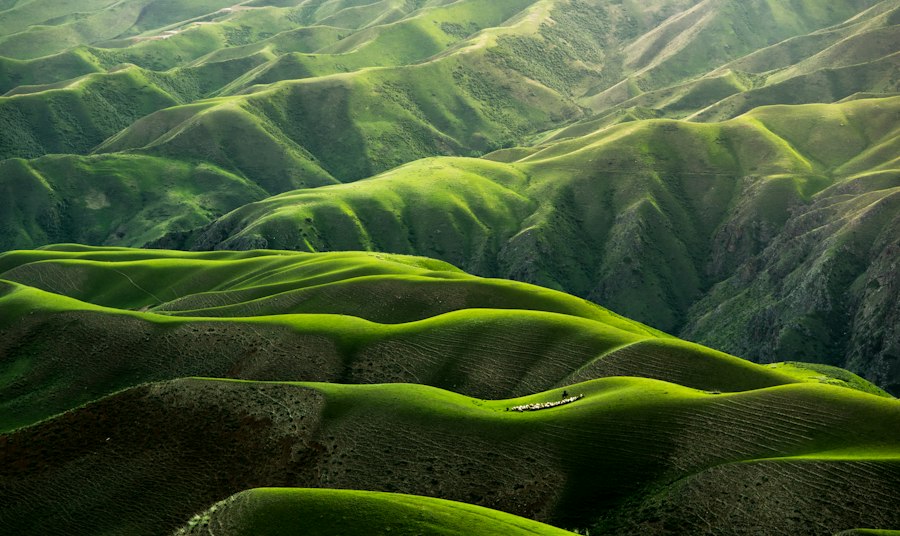
Lush green mountains in Ha Giang summer monsoon
May June July August

Wild, green, and for adventurers only

The monsoon transforms Ha Giang from dry to explosively alive. Waterfalls that don't exist in October thunder down cliff faces along the Nho Que River gorge. Every shade of green you have ever imagined fills the valleys. The rice terraces at Hoang Su Phi are being planted from May through June — vivid, ordered rows carved deep into the hillsides.

Be realistic about the risks. Landslides are possible — especially after three or more days of sustained rain. Roads between Meo Vac and Khau Vai can close for hours without warning. I strongly recommend guided jeep tours over solo motorbike riding in June, July, and August. Our guides carry satellite weather updates and know the road closure patterns from experience. First-timers expecting reliable access should wait until September at the earliest.

Pros

  • Spectacular, roaring waterfalls
  • Vivid green terraces at planting
  • Lowest prices of the year
  • Quiet, uncrowded roads

Watch out

  • Landslide and road closure risk
  • Mist can obscure mountain views
  • Not safe for first-time solo riders
Golden rice terraces in Ha Giang during harvest season
September October November

Golden terraces and perfect riding skies

If you can only visit once and want the best Ha Giang has to offer, come in October. The rice harvest turns Hoang Su Phi's terraces into cascading gold. The air is cool and crystal-clear. You can ride the full loop on dry roads, photograph every pass in sharp afternoon light, and sleep in homestays warm enough to be cosy without freezing. This is peak season — book your tour now before the dates go.

November shifts the palette: the buckwheat flowers north of Dong Van bloom pink-purple across the plateau. It is a different kind of beauty — quieter, more surreal, far less photographed than the October harvest. Many of our guests say November feels like the "real" Ha Giang — and they come back every year for it. The Hoang Su Phi trekking package is specifically designed for this window.

Pros

  • Golden terraces (October)
  • Buckwheat flowers (November)
  • Clear skies, crisp riding air
  • Dry, safe roads all the way

Watch out

  • Peak demand, especially in October
  • Book accommodation 4–6 weeks ahead
  • Prices rise vs. summer low season
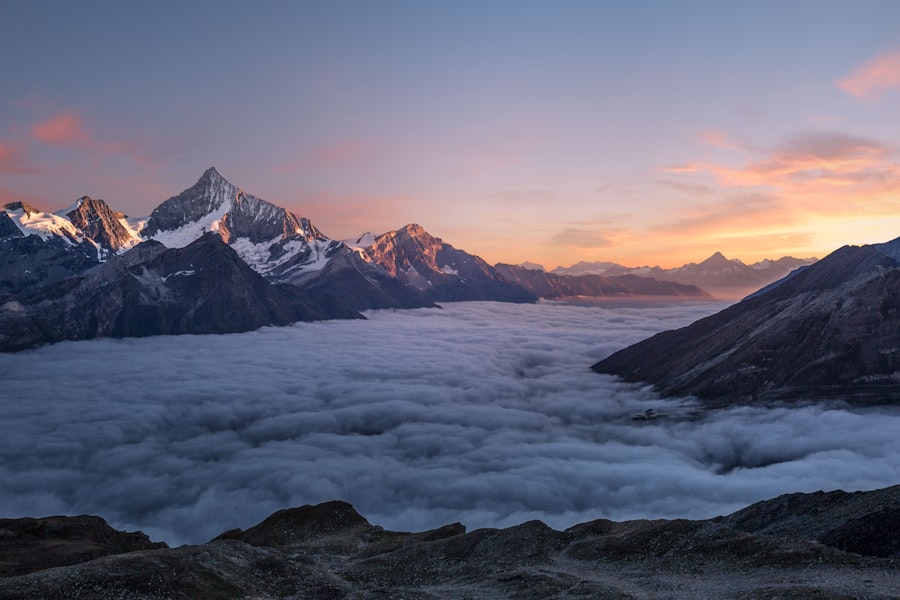
Misty winter morning at Dong Van, Ha Giang
December January

Frost, solitude, and Ha Giang's best-kept secret

Winter in Ha Giang is not for everyone — but for some travellers, it is the trip of their lives. The crowds disappear completely. You share the Ma Pi Leng viewpoint with smoke rising from village fires far below and absolutely no one next to you. On the clearest mornings, frost coats the limestone above Dong Van and the views stretch endlessly across the Chinese border mountains.

You will need proper warm layers — this is non-negotiable. Mornings at elevation drop to 4–6 °C and some homestays are not insulated for genuine cold nights. Ask us before booking — we know exactly which homestays have proper heating and which to avoid. For slow, contemplative travel with the deepest local contact, winter is Ha Giang's best-kept secret. Our private jeep tours are specifically suited to winter visits.

Pros

  • Empty roads and viewpoints
  • Lowest prices of the dry season
  • Frost and dramatic winter light
  • Deepest local culture access

Watch out

  • Very cold at elevation — 4–6 °C nights
  • Not all homestays have heating
  • Occasional thick fog on the passes

Packing & planning tips for every season

🧥

Layers over bulk

Ha Giang's altitude means mornings are always 8–10 °C cooler than midday, even in April. Bring a packable down jacket and a waterproof shell rather than one heavy coat. You'll thank yourself at 6 AM on Ma Pi Leng Pass. This applies every single month of the year.

📵

Download maps offline

Mobile signal drops to zero on many of the passes between Dong Van and Meo Vac. Download Google Maps or Maps.me tiles before leaving Ha Giang city each morning. A 20,000 mAh power bank is not optional — it is essential kit on the loop.

💊

Motion sickness meds

The Ha Giang Loop has over 200 hairpin bends across four days. Even experienced travellers feel queasy in the back seat of a jeep on Heaven Gate. Take motion sickness tablets the night before each pass day — not the morning of. This is the single most overlooked tip I give every group.

💧

Cash and water

ATMs in Dong Van and Meo Vac are unreliable. Withdraw VND in Ha Giang city before you depart each morning. Carry a reusable water bottle — filtered water is available at most of our partner homestays for free and saves you enormous plastic waste.

🏍️

Riding skill — be honest

Be truthful about your riding ability before arriving. The Tham Ma Slope and Heaven Gate zigzags require confident, smooth braking technique. If you are a beginner, book a spot with a local Easy Rider through our guided tour — you will enjoy the views instead of sweating the road. No judgement at all.

🤝

Respect local customs

The ethnic minority communities — Hmong, Tay, Lo Lo — living around Dong Van and Hoang Su Phi are not tourist exhibits. Always ask before photographing people. Remove shoes at homestay thresholds. Bringing small fruit or sweets when visiting during festivals is deeply appreciated.

Questions we get every week

October is our top pick for most travellers. You get golden rice terraces at Hoang Su Phi, crystal-clear skies, comfortable riding temperatures, and dry roads all the way to Lung Cu Flag Tower. November is a very close second — the buckwheat flower bloom on the Dong Van Plateau is genuinely one of the most otherworldly things you will see in Southeast Asia.

It depends entirely on your experience level. A confident rider on a well-maintained semi-automatic bike can manage light rain on the main road. But sustained heavy rain — common from June through August — brings real landslide risk, broken road edges, and zero visibility on the passes above Ma Pi Leng. In those months, I always recommend one of our guided jeep tours over solo motorbikes. Safety genuinely comes first on these roads.

The buckwheat flower season typically runs from late October through early December, with the peak most commonly falling in November. The flowers appear first at higher elevations near Lung Cu and Dong Van, then spread south toward Meo Vac. The exact timing shifts slightly year to year — message us on WhatsApp and we'll tell you the current real-time status.

March and October are genuinely busy — particularly on weekends. You will share Ma Pi Leng with other riders and photographers. That said, Ha Giang never feels overwhelmed the way Sa Pa or Ha Long Bay does. If you start early each morning and plan mid-week arrivals, the iconic spots are still very manageable. For October, book your accommodation and tour at least 4 weeks ahead.

Yes — June to August offers the lowest prices of the year and nearly empty roads everywhere on the loop. The trade-off is weather: monsoon rains can be heavy and roads occasionally close without notice. Experienced, flexible travellers who can adapt their itinerary mid-trip will find summer genuinely rewarding. We strongly recommend a guided tour rather than solo riding in these months — the safety margin matters.

The most comfortable option is our limousine bus service — VIP reclining seats, direct from your Hanoi hotel, 8–9 hours to Ha Giang city. Night departures mean you lose no touring time and arrive ready to start the loop the same day. Public sleeper buses run from My Dinh station but quality varies significantly. We do not recommend renting a motorbike for the 300-km Hanoi–Ha Giang transfer — the national highway is fast, narrow, and heavy with trucks. Book your seat via WhatsApp and we'll handle the rest.

```